Last month we told you potential sources of lead poisoning in your water, and what you can do.
As a reminder, lead poisoning kills 400,000 people annually in the United States and can lead to serious health issues for both children and adults. To review all the possible issues, go to https://raviniaplumbing.com/blog/preventing-lead-poisoning/. And if you are concerned, contact your physician for a lead test.
But water is not the only source of lead. Here are some of the sources, and what you can do to stay safe.
Soil
Soil can become contaminated by lead as emissions from leaded fuel used in cars, lawn mowers and snowblowers settle into the soil. This lead can stay in the soil for years, and the lead dust can also be tracked into your home. You can’t stop kids from playing in the soil, but here are some things you can do:
- Use plants, shrubs and grass to minimize the amount of bare soil.
- And then tell kids not to play in bare dirt, and certainly not to eat it.
- Remove shoes when entering the home.
- Keep rugs near the entrances to your home and wash them frequently and separately from other items. Do an extra rinse to be safe.
Lead Paint
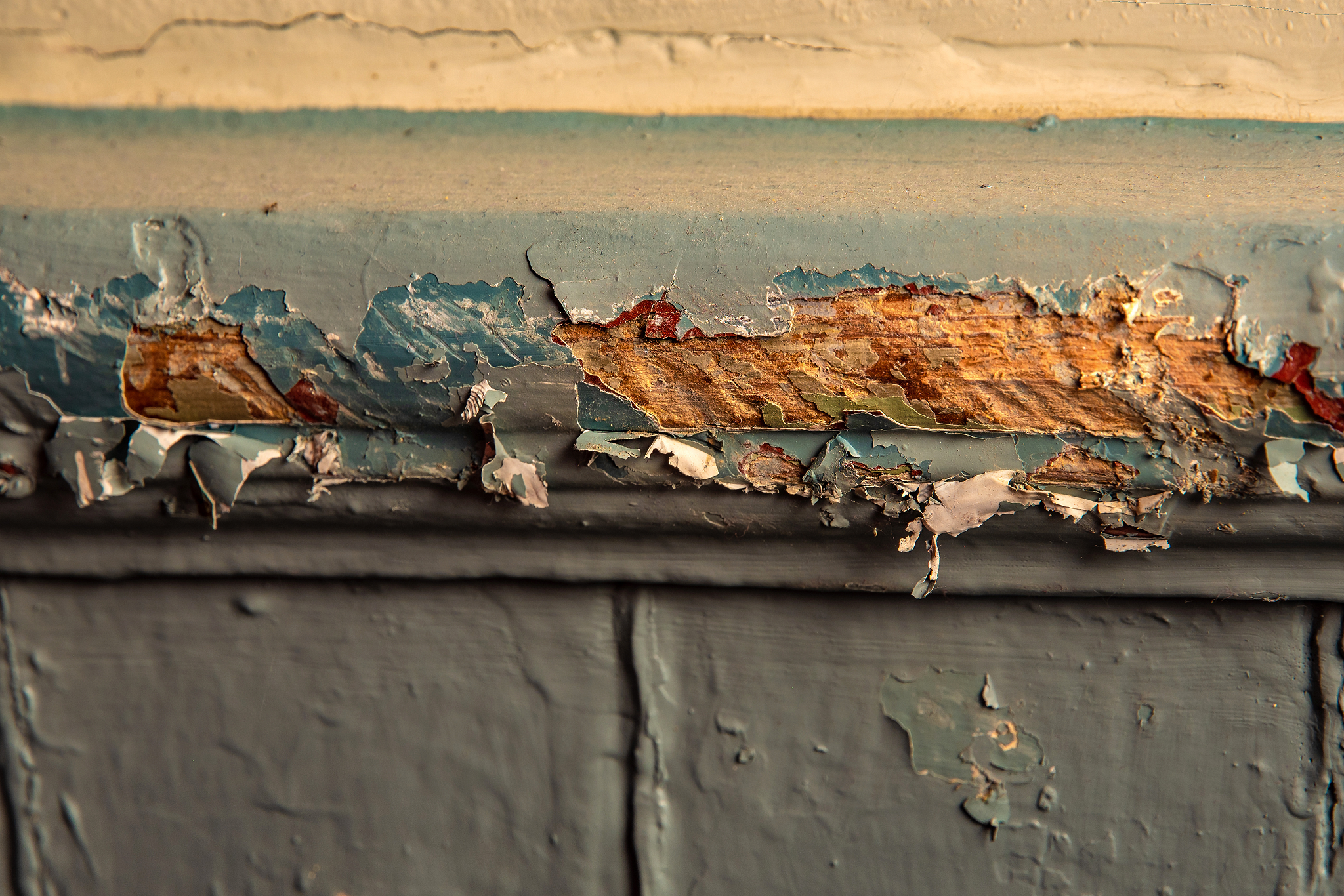
Homes built before 1978 may have lead-based paint on the walls, doors, windows, etc. As the paint cracks and peels, it can find its way onto furnishings, including cribs and highchairs. When the paint cracks and peels, it makes lead paint chips and dust that can be ingested. Children have been known to eat the flakes. Here is what you can do:
- Tell the kids if they see any chipped paint on the floor to get rid of it, and certainly not to eat it.
- Dispose of any lead chips you see.
- Remove any lead chips or peeling lead paint. Paint over the lead paint with non-lead paint.
- If you have furnishings that contain lead paint, consider getting rid of them.
- Keep the windows washed.
Lead Dust
Even if you have removed the paint and taken care of the soil, there still may be lead dust in your house. Most of this is common sense, but here are some remedies:
- Keep everything clean including windows, window wells, window sills and floors
- Close the windows on windy days to prevent lead dust from being blown into the house.
- Wash your hands.
- If you are exposed to lead outside the home, immediately shower and throw the clothes in the washing machine by themselves. Add an extra rinse.
Food
Enjoying fruits and vegetables from the garden is great, but if there is lead in the soil that food becomes toxic. Here are some tips:
- Plant the garden as far away from any structures that may contain lead. This includes fences, sheds, etc.
- Remove the outer leaves from leafy vegetables, as they are the ones most likely to contain lead.
- Thoroughly wash all fruits and vegetables, including store-bought.
- Use plastic or glass containers to store food.
Other Sources
Other sources of lead can include:
- Cosmetics. Check the label before purchasing.
- Herbal or folk remedies
- Lead bullets
- Glazes found in ceramics, china, and porcelain. If there is food in these items, the lead can leach into the food.
Contact Ravinia Plumbing, Sewer, Heating & Electric to “Get the Lead Out” of Your Drinking Water
Ravinia Plumbing, Sewer, Heating & Electric can’t help you with lead from the sources mentioned above. But our licensed plumbers can check if there is lead in your drinking water. If there is, and the issue is related to your home’s plumbing, we can replace pipes, faucets and fixtures and also install point-of-use filters for drinking and cooking. Our customers have relied on us since 1928 (that’s 98 years!) for quality products, knowledgeable technicians, and superior service, including 24/7/365 emergency service. That is why we are the most trusted plumbing, sewer, heating and air conditioning, and electrical company in Chicago’s North Shore and Northwest suburbs. Contact us today to schedule an appointment.