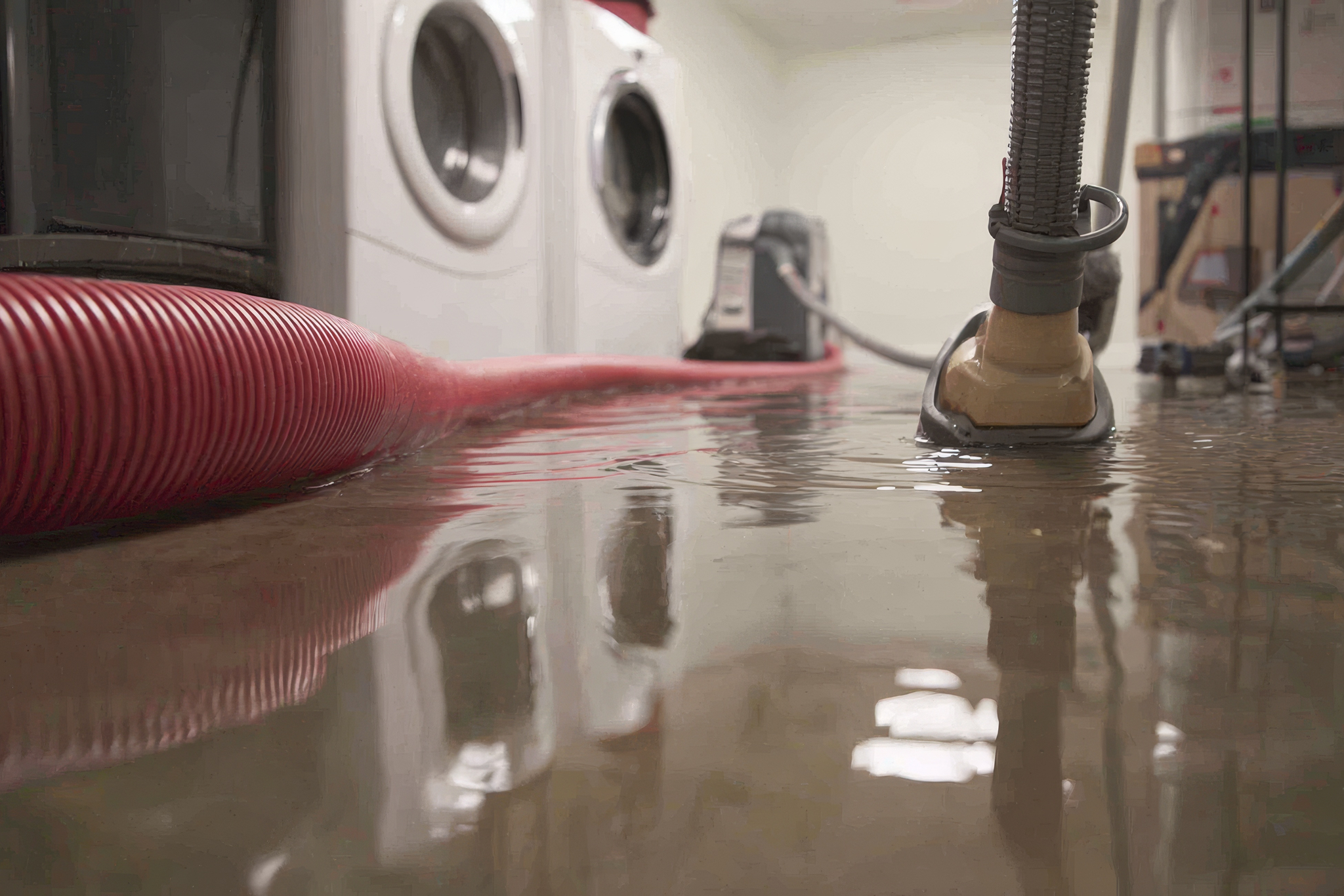
Basement flooding is no fun. It can lead to damage to your home and possessions. In addition to the expense, it is a major inconvenience. Unfortunately, with heavy storms it can happen. But there are also several things you can do to prevent flooding. Here are 14:
Outside Your Home
1. Make sure your gutters are clear. Remove dirt, leaves and other debris a few times a year. That way they won’t be clogged and water can flow freely
2. Extend your downspouts. Install extensions to carry water six feet away from the foundation.
3. Grade away from the house. Have your landscaping graded away from your home so water will flow away from the foundation.
4. Make sure the opening to the sewer line is clear. When the sump pump drains, you want the water to flow effortlessly into the sewer line. That cannot happen if anything blocks access. Any obstructions should be removed
5. Rod your sewer line. This can remove obstructions such as tree roots that can prevent the water from flowing into the municipal sewer line. Obstructions can cause the sewer line to back up, allowing water to enter the house. Rodding should be done at least once a year.
6. Have a sewer line video inspection. With a video inspection, a camera is threaded through the sewer line and will detect potential damage points.
7. Inspect your foundation. Check for cracks several times a year. You can possibly repair small, vertical cracks with hydraulic cement or epoxy. Large or horizontal cracks will require a professional.
8. Encapsulate your foundation. This is extreme and expensive, but if your house continually floods despite taking precautions, a waterproof membrane will permanently protect your foundation and home.
Inside Your Home
9. Waterproof basement walls. You can seal unfinished basement walls with waterproof paint and then caulk small cracks.
10. Install a vapor barrier. This is also a bit more extreme and expensive but provides more protection.
11. Check your sump pump. Pour water into your sump pump monthly to make sure it is working properly. Also check for warning signs such as constant running or strange noises.
12. Have a battery backup sump pump. If the power goes out during a storm, the sump pump won’t work. A battery backup is essential to prevent flooding when the power goes out.
13. Wrap your pipes. Not rain-related, but basements also flood in cold weather when pipes freeze and burst. Wrapping sleeves around the pipes can prevent that.
14. Invest in a leak prevention system. There are products that will automatically shut off your water if they detect a leak and then notify you.
Contact Ravinia Plumbing, Sewer, Heating & Electric to Prevent Floods
Ravinia Plumbing, Sewer, Heating & Electric’s licensed plumbers can help you prevent floods by rodding and videoing your sewer line, repairing or installing sump pumps, and installing a pipe leak prevention system. Our customers have relied on us since 1928 (that’s 98 years!) for quality products, knowledgeable technicians, and superior service, including 24/7/365 emergency service. That is why we are the most trusted plumbing, sewer, heating and air conditioning, and electrical company in Chicago’s North Shore and Northwest suburbs. Contact us today to schedule an appointment.