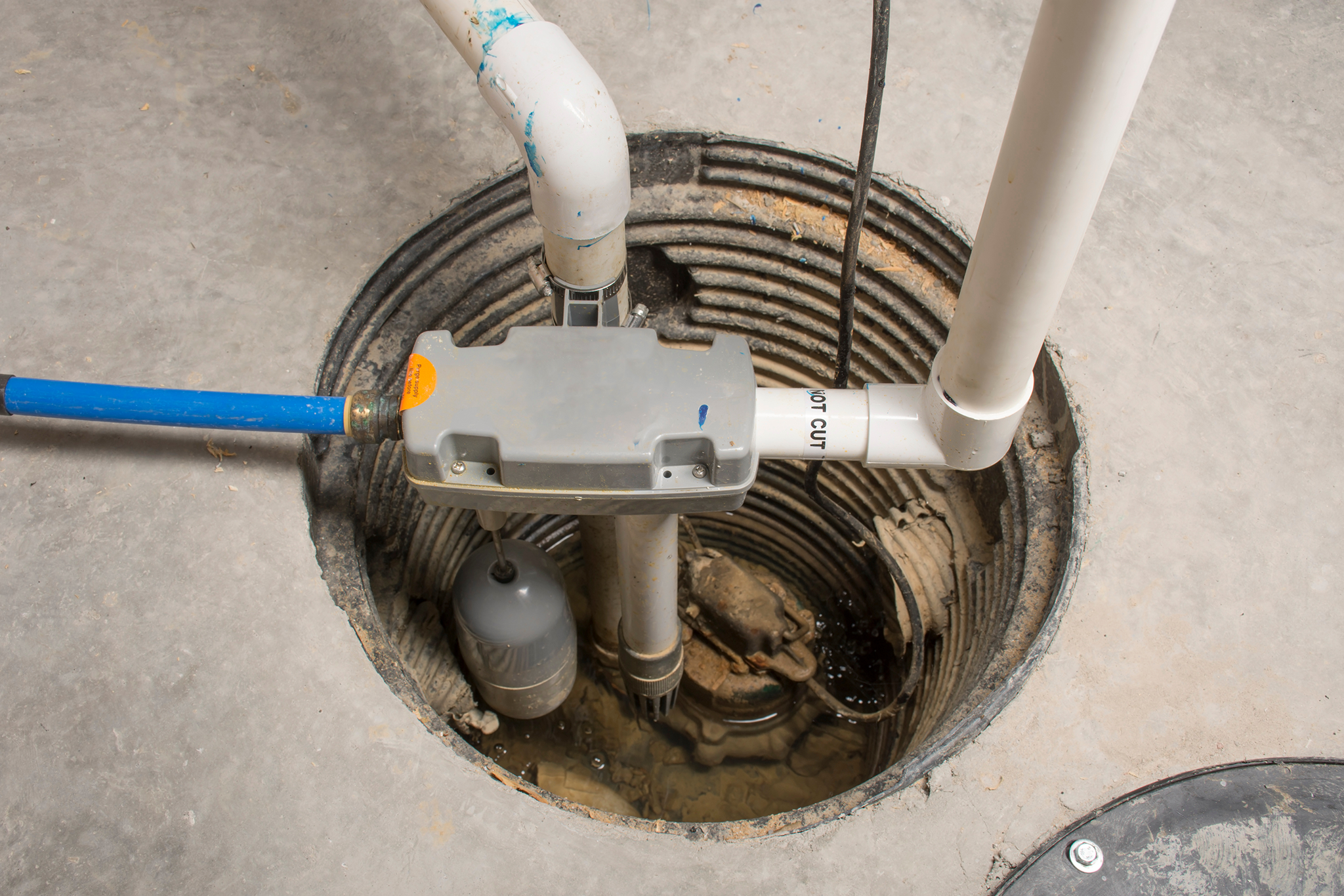
Is it time to buy a new sump pump? For sure, if a sump pump failure has caused your basement to flood. But there may be other issues. Maybe it’s constantly running. Or making noises it shouldn’t be making. Or maybe it’s just seven years old or older and you want to be proactive before trouble occurs. No matter why you need a new sump pump, here are some tips to help you decide which model to buy.
1. Horsepower. The first step is to make sure you are buying the right size. Too small a pump obviously will not be able to keep up with heavy storms. But a pump that is too large can turn on and off rapidly (short cycle) causing unnecessary wear and tear and shortening the life of the unit. Power is measured in horsepower (HP) While 1/3 HP is standard, ½ HP may be a better choice for most homes, especially if you live in an area that floods a lot. Pumps with ¾ HP or 1 HP also are available and may make sense for larger homes or homes with high water tables.
2. Flow rate. Flow rate is the ability of the pump to eject water. It is measured in gallons per minute (GPM). The flow rate needs to match the maximum water flow into your pit. You need that rate, but not more than that.
3. Float switch. The float switch is a critical piece, as it activates the pump when the water reaches the given level. There are mechanical switches and pressure switches. Mechanical switches are better. But make sure the switch is solid so it won’t burn out the sump pump, become waterlogged or fail to switch off.
4. Type of pump. There are two types of pumps: submersible and pedestal. Submersible pumps are more common in residences. Both can handle horsepower from 1/3HP to 1HP. Here is a comparison.
| Submersible | Pedestal | |
| Description | Motor sits inside the pit. Motor is sealed in waterproof housing. | Motor mounted above the pit, with impeller and intake at bottom of pit. A shaft connects the motor to the impeller. |
| How it works | Float triggers the motor switch when water hits activation level. Water is then pushed out. | When the float switch activates, the motor spins the impeller via the shaft. |
| Pumping capacity | Good | Better |
| Lifespan | 10-15 years | 10-15 years |
| Price | $150 – $500 for the pump | $500-$2,000 for the pump |
| Noise level | Lower | Higher |
| Pit depth | As least 12 inches | Pits at least 30” deep |
| Risk of overheating | Higher | Lower |
| Ease of service | These pumps cannot be serviced | These pumps can and do need preventative maintenance. |
Most residential homes are just fine using a submersible pump. Most pedestal style pumps are for larger applications.
5. Material. Sump pumps come in a variety of materials, including cast iron, bronze, plastic and stainless steel. The best option is cast iron, as it is strong and corrosive resistant. It also pulls heat away from the pump, which keeps the pump cool and increases longevity.
6. Discharge outlet size. The discharge outlet is the final exit point for the water. A 1.5-inch discharge outlet is usually enough for a standard residence; 2-inch outlets are also available.
7. Check valve. The check valve ensures that water in the discharge pipe does not flow back into the pit after the pump shuts off. If the water does flow back into the pit, it could reactivate the pump, causing short cycling that can reduce the life of the pump.
8. Overload protection. This important feature shuts the pump off automatically if the motor overheats, thus preventing motor damage. Make sure the pump you buy has this.
9. Alarm. Most primary pumps do not have a separate high-water alarm but that is a component that can be added. Some alarms can also provide alerts to a mobile device via a Wi-Fi connection.
10. Screen intake. A screen intake is designed to prevent solids from clogging the pump. You should make sure the screen intake has an impeller that can handled solids up to ¼ inch diameter.
11. Smart pumps. Today, like with many other things, sump pumps are available with “smart” features. A smart sump pump can notify you via Wi-Fi on your phone or tablet if there is a problem.
One final note – you should always have a battery backup. That way if the power goes out or your sump pump does fail, you will be protected.
Contact Ravinia Plumbing for Sump Pumps
Ravinia Plumbing, Sewer, Heating & Electric’s knowledgeable and licensed plumbers can help you determine if you need a new sump pump. They can then help you select and then install the sump pump that is right for you, thus preventing inconvenient and expensive flooding. Our customers have relied on us since 1928 (that’s 98 years!) for quality products, knowledgeable technicians, and superior service, including 24/7/365 emergency service. That is why we are the most trusted plumbing, sewer, heating and air conditioning, and electrical company in Chicago’s North Shore and Northwest suburbs. Contact us today to schedule an appointment